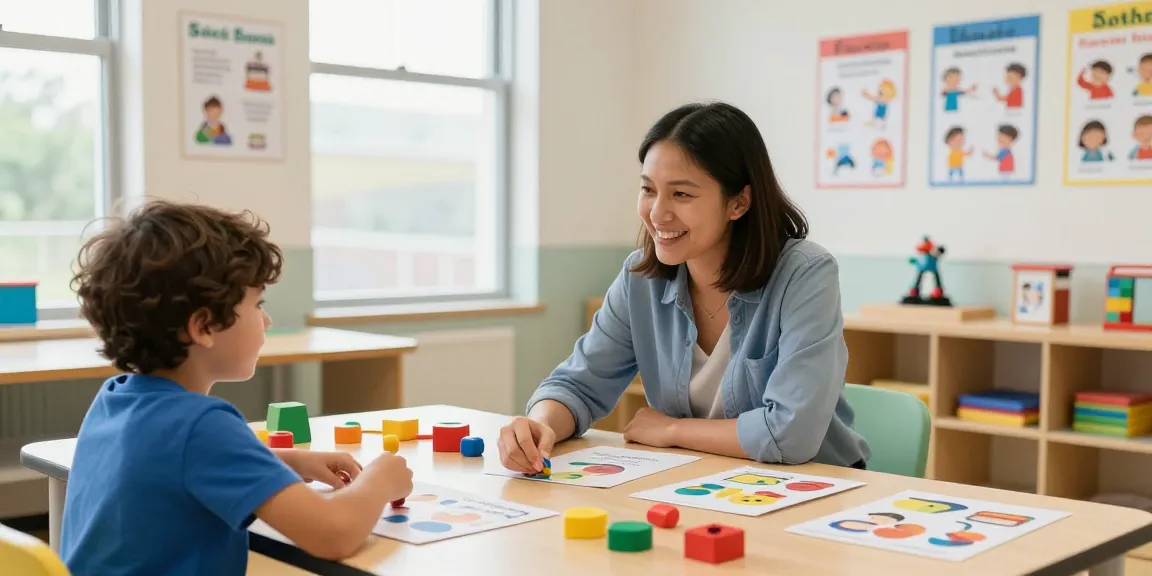
Understanding the Importance of Social Skills for Children with Autism
Social skills are vital for children with autism as they navigate everyday interactions in their environments. Cultivating these skills can significantly enhance their ability to connect with peers, engage meaningfully in social situations, and develop emotional intelligence. Programs designed to foster social skills not only aim to improve interaction capabilities but also seek to empower children toward greater independence and confidence. When exploring options, social skills program for autism Burlington provides comprehensive insights into tailored interventions that can benefit children at various developmental levels.
Defining Social Skills in Autism
In the context of autism spectrum disorder (ASD), social skills encompass a range of behaviors that allow individuals to effectively communicate and interact with others. These skills include:
- Understanding non-verbal cues like body language and facial expressions
- Using appropriate verbal communication
- Engaging in reciprocal conversations
- Building and maintaining friendships
- Participating in group activities
Each child on the spectrum may exhibit unique challenges within these areas, necessitating specialized approaches to develop their social capabilities.
Impact of Social Skills on Daily Life
Strong social skills can profoundly affect a child’s daily life and overall well-being. Children who develop these skills often experience:
- Improved relationships with family and peers
- Increased opportunities for social engagement
- Higher confidence levels
- Enhanced emotional regulation
- Better academic performance
By nurturing social skills, children with autism can gain the tools necessary to lead fulfilling and integrated lives.
Common Challenges Faced by Children with Autism
Many children with autism encounter a variety of challenges related to social skills. These may include:
- Difficulty understanding social norms and expectations
- Trouble reading social cues and body language
- Challenges in initiating or sustaining conversations
- Feelings of anxiety in social situations
- Limited interest in engaging with peers
Recognizing these challenges is the first step in developing effective interventions that can support growth and learning in social contexts.
Overview of Social Skills Programs in Burlington
Burlington hosts a variety of programs specifically designed to enhance social skills in children with autism. These programs often incorporate evidence-based practices tailored to the unique needs of each child.
Types of Social Skills Programs Available
Programs vary widely in structure and focus. Common types include:
- Group Therapy Sessions – Facilitated by professionals, these sessions allow children to practice social skills in a structured environment with peers.
- Individualized Therapy – One-on-one sessions focus on specific skills tailored to the child’s needs, providing personalized strategies for improvement.
- Interactive Workshops – Often incorporating games and role-playing, these workshops make learning social skills engaging and practical.
Parents are encouraged to explore various options to find the most suitable fit for their child’s needs.
Comparing ABA Therapy and Social Skills Programs
Applied Behavior Analysis (ABA) therapy remains a cornerstone of autism intervention, emphasizing behavior modification through reinforcement strategies. However, social skills programs focus specifically on developing interpersonal skills and emotional understanding. While ABA may include social elements, dedicated social skills programs provide a more concentrated effort on building these competencies in various settings.
Choosing the Right Program for Your Child
Selecting a program involves considering several factors:
- Child’s Specific Needs – Assess the areas where your child struggles most and look for programs that address these.
- Program Structure – Determine whether your child thrives better in group settings or requires individualized attention.
- Professional Credentials – Ensure that the program is led by qualified specialists with experience in autism intervention.
- Parent Involvement – Consider programs that encourage parental engagement, as this can significantly enhance the effectiveness of interventions.
Implementing Effective Strategies in Social Skills Development
Implementing strategies that cater to individual learning styles can greatly enhance social skills development in children with autism. Here are some effective approaches:
Personalized Approaches to Learning
Every child has a unique profile of strengths and challenges. A personalized approach allows for the adaptation of teaching methods and materials to align with a child’s learning preferences. For example, visual learners may benefit from charting social interactions or using imagery, while kinesthetic learners thrive in activities that involve movement and hands-on experiences.
Integrating Play and Learning
Play is an essential component of childhood development. Social skills programs that integrate play not only make the learning process enjoyable but also mimic real-life interactions in a risk-free environment. Through games, role-plays, and structured activities, children can practice new skills in a fun, engaging manner.
Encouraging Family Involvement
Family involvement plays a pivotal role in reinforcing social skills at home. Programs that include parent training sessions equip families with strategies to support their child’s skill development outside of clinical settings. This collaborative approach fosters consistency in learning and encourages generalization of skills across different environments.
Success Stories: Real Families Transforming Lives
The impact of well-structured social skills programs can be profound, as illustrated by numerous success stories from families participating in programs like those offered at Missing Links.
Case Studies from Missing Links Programs
Many families have shared transformative experiences through Missing Links’ tailored programs. For instance, one parent reported that her son, once shy and withdrawn, is now actively engaging with peers and demonstrating improved communication skills in just a few months of participation.
Parent Testimonials and Feedback
Testimonials from parents highlight the effectiveness of the programs, often emphasizing the unique, holistic approaches that prioritize individual growth. The data shows that children not only learn vital social skills but also experience improvements in emotional well-being and adaptability.
Measuring Growth and Progress
Monitoring progress within social skills development is essential. Many programs implement regular assessments to track individual growth through structured observations, feedback mechanisms, and standardized measurements. This ongoing evaluation helps practitioners adjust interventions as needed and ensures that children are making measurable advancements in their social competencies.
Future Trends in Autism Intervention and Social Skills Training
As the landscape of autism intervention continues to evolve, several trends are emerging in the field of social skills training.
Technological Advancements in Therapy
The integration of technology into therapy is revolutionizing how social skills are taught. Virtual reality (VR) and augmented reality (AR) programs are being developed to provide immersive experiences where children can practice social interactions in simulated real-world scenarios, offering a safe space for learning.
Community Resources and Support Networks in 2026
As awareness around autism grows, so too do community resources. In 2026, families can expect more robust support networks, including online forums, workshops, and community events designed to foster connections among families and enhance resource sharing.
Predictions for Autism Therapy Innovations
The future is promising, with predictions indicating a rise in individualized therapy solutions that utilize data-driven insights to create personalized interventions. Programs may increasingly focus on social skill areas outlined by the child’s specific interests and emotional needs.
What Benefits Will Social Skills Programs Bring?
As the field advances, we can anticipate even more substantial benefits from social skills programs, including:
- Heightened confidence levels in social settings
- Improved communication and relational skills
- Greater independence in navigating social complexities
- Enhanced academic engagement due to social fluency
Frequently Asked Questions about Social Skills Programs
Parents often have questions when considering social skills programs for their children. Here are some common inquiries:
- How do I access funding for autism programs?
- What should I expect in a social skills training session?
- How can I track progress in social skills development?
How to Access Funding for Autism Programs?
Many families are unaware of funding options available for autism programs. It’s advisable to consult local resources and organizations that can provide guidance on navigating funding applications and accessing potential financial support.
What to Expect in a Social Skills Training Session?
A typical session often includes structured activities, role-playing scenarios, and feedback from trained facilitators. The focus is on practical application, ensuring that skills learned can be generalized to real-life situations.
How to Track Progress in Social Skills Development?
Tracking progress involves setting measurable goals, regular assessment sessions, and maintaining communication with therapists. This data informs future interventions and celebrates milestones achieved.